



The Use of Stone in Modern Building Facades: A Timeless Material Meets Contemporary Innovation
Stone, as one of the oldest construction materials known to humanity, has been reinterpreted and revitalized within modern architecture through a contemporary lens. Today, stone is no longer limited to classical or historical buildings; instead, it has become a key element in creating modern, minimalist, and sustainable facades. This evolution is the result of advancements in quarrying, processing, finishing, and installation techniques, which have enabled architects to use this natural material in diverse and creative ways. This article explores the role of stone in contemporary facades, its advantages, commonly used stone types, and modern execution methods.
Commonly Used Stones in Contemporary Facades
When selecting stone for building facades, factors such as durability, color, texture, maintenance requirements, and harmony with the overall architectural design are carefully considered. Granite, with its exceptional resistance to frost, weathering, and abrasion, is an ideal choice for harsh climates. Travertine, thanks to its porous structure, natural thermal insulation properties, and relatively low weight, is particularly favored in warm regions. Marble, while luxurious and visually striking, is more sensitive to environmental conditions and requires specialized maintenance; therefore, it is often used in limited areas of facades or in protected architectural elements. Limestone, with its warm tones and soft texture, allows for the creation of curves and delicate details.
1. Granite
-
High resistance to weather conditions
-
Wide range of natural colors, from gray and black to red
-
Various finishing options, including polished, honed, and textured surfaces
2. Travertine
-
Attractive porous texture
-
Natural thermal insulation
-
Lighter weight compared to many other stones
3. Marble
-
Luxurious and glossy appearance
-
Ideal for accent areas and special design elements
-
Requires careful and regular maintenance
4. Limestone
-
Warm and natural color palette
-
Environmentally compatible material
-
High formability for refined architectural details
Key Advantages of Using Stone in Facades
The use of stone in building facades offers benefits that go far beyond visual appeal. Its exceptional durability allows facades to withstand weather conditions, pollution, and natural erosion for decades. From a sustainability perspective, stone is a natural and recyclable material with lower embodied energy compared to many synthetic alternatives, and its long lifespan significantly reduces construction waste. Moreover, a well-executed stone facade substantially increases property value while conveying a sense of authenticity, stability, and architectural prestige.
Modern Techniques and Trends in Stone Facade Execution
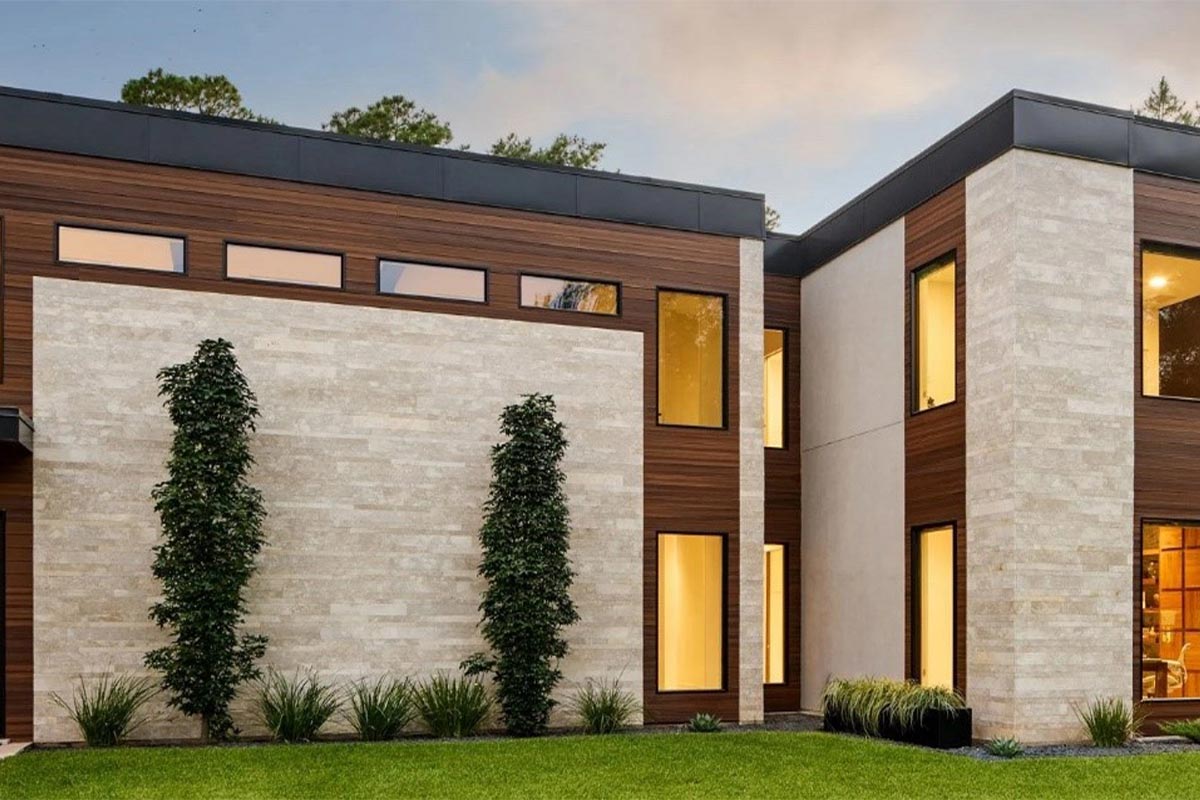
Thanks to technological advancements, the execution of stone facades has undergone significant transformation. Dry installation systems—where stone panels are fixed using mechanical anchors rather than mortar—enable rear ventilation, faster installation, and easy replacement of damaged elements. In terms of design trends, combining stone with materials such as glass, wood, metal, or exposed concrete has become increasingly popular. These combinations create striking contrasts, reduce structural dead load, and result in distinctive architectural identities. Additionally, digital fabrication technologies such as CNC cutting and waterjet systems allow architects to create complex patterns, geometric compositions, and even three-dimensional stone surfaces.
Key Considerations for Design and Maintenance
Achieving a successful stone facade requires attention to several critical factors. Climatic compatibility is paramount; for instance, in humid or heavily polluted environments, stones with low water absorption and smoother finishes perform better. Structural analysis is essential to ensure the building can safely support the weight of the stone, and proper drainage systems must be designed to manage rainwater behind the facade. From a maintenance standpoint, periodic cleaning using non-acidic methods and timely repair of joints or cracks are crucial for preserving both durability and appearance. Selecting appropriate stone thickness and profile based on facade dimensions and local wind loads also plays a vital role.
Conclusion and Future Outlook
In modern architecture, stone has evolved beyond its traditional role to become a dynamic and adaptable material capable of meeting contemporary aesthetic, functional, and environmental demands. The integration of technology with nature has enabled stone to appear in innovative and exciting forms. As global construction trends increasingly emphasize sustainability and the use of durable natural materials, stone is expected to maintain a strong presence in the facades of future buildings. The key to successfully utilizing this ancient material in modern architecture lies in informed selection, creative design, and professional execution.